UK Bedspread Size and Dimensions Guide
The right bedspread size depends on your mattress width, mattress depth and how much fabric you want to hang down each side. A UK single mattress is typically 90 x 190cm, a double 135 x 190cm, a king 150 x 200cm and a super king 180 x 200cm. Bedspread dimensions can vary by design and manufacturer, so always check the exact product measurements before ordering.
For a neat, balanced look, choose a bedspread that covers the mattress completely and leaves enough width for an even drop on both sides. A deeper mattress, mattress topper or layered bedding may require a wider bedspread.
If you are ready to update your bedroom, browse our bedspread collection, or use the guide below to work out which size and style will suit your bed.
UK Bedspread Size Guide
Unlike mattresses, bedspreads do not follow one universal UK measurement. The table below combines standard UK mattress dimensions with useful example bedspread measurements to show how much coverage you may want.
| Bed Size | UK Mattress Size | Example Bedspread Size | Approx. Side Drop | Best For |
|---|---|---|---|---|
| Single | 90 x 190cm | 180 x 260cm | Around 45cm each side | Single beds, children's rooms and guest rooms |
| Double | 135 x 190cm | 235 x 260cm | Around 50cm each side | Standard double beds and guest bedrooms |
| King | 150 x 200cm | 260 x 260cm | Around 55cm each side | King beds where a generous drape is preferred |
| Super King | 180 x 200cm | 305 x 260cm | Around 62.5cm each side | Large beds and fuller, hotel-style coverage |
Important: these bedspread measurements are a sizing guide rather than a universal UK standard. Always check the dimensions shown on the individual product page, especially if you have a particularly deep mattress or want the bedspread to reach close to the floor.

What Size Bedspread Do I Need?
Start with your mattress size, then decide how much of a drop you want on each side. The easiest calculation is:
Bedspread width = mattress width + desired drop on the left + desired drop on the right.
For example, a UK double mattress is around 135cm wide. If you want approximately 45cm of fabric hanging down each side, look for a bedspread around 225cm wide or more.
The depth of your mattress matters too. If you use a topper or an extra-deep mattress protector, measure the complete depth of the dressed mattress rather than the bare mattress alone.
Single Bedspread
A standard UK single mattress measures approximately 90 x 190cm. For full decorative coverage, a bedspread around 180cm wide can provide about 45cm of drop on each side, allowing for mattress depth and positioning.
Single bedspreads work particularly well in children's bedrooms, student rooms, bunk beds and guest bedrooms. If the bed sits against a wall, you may not need an equal drop on both sides.
Double Bedspread
A UK double mattress measures approximately 135 x 190cm. A wider bedspread around 230–240cm can create a generous drop across both sides of the bed.
For a more tailored appearance, choose a smaller drop. For a fuller hotel-style look, measure from one desired finishing point, over the mattress and down to the same point on the opposite side.
King Size Bedspread
A standard UK king mattress measures approximately 150 x 200cm. Because the mattress is wider and longer than a double, check both bedspread measurements rather than choosing based on the word “king” alone.
A generously sized king bedspread can be used as the main decorative layer or placed over a duvet cover set to add texture, colour and extra warmth.
Super King Bedspread
A UK super king mattress measures approximately 180 x 200cm. For substantial side coverage, you will need a much wider bedspread than the mattress itself.
Measure carefully if you want the fabric to fall close to the floor, particularly if you have a tall bed frame, divan base or deep mattress.
How to Measure Your Bed for a Bedspread
Do not rely only on your bed's single, double, king or super king label. Measuring the actual bed gives you a much better idea of how the finished bedspread will look.
- Measure the mattress width: measure from the left edge to the right edge.
- Measure the mattress length: measure from the head to the foot.
- Measure the mattress depth: include any mattress topper or protector under the bedspread.
- Choose your preferred side drop: decide whether you want the bedspread to finish just below the mattress, halfway down the bed base or nearer the floor.
- Check the product dimensions: compare your total required width and length with the bedspread's listed dimensions.
Example: if your mattress is 150cm wide and you want a 50cm drop on each side, you need approximately 250cm of total bedspread width.
If your mattress is particularly deep, pair your bedding with appropriately sized deep fitted sheets so the layers underneath stay secure and tidy.
How Much Should a Bedspread Hang Over the Bed?
There is no single correct amount. The best drop depends on the look you want and your bed height.
- Short drop: finishes just below the mattress for a modern, minimal look.
- Medium drop: covers part of the bed base and works well for everyday bedrooms.
- Full drop: extends close to the floor for a traditional or hotel-inspired finish.
If your bedspread is mainly decorative and will be folded across the bottom of the bed, exact full-bed coverage is less important. If you want it to hide the mattress and bed base, accurate width and drop measurements matter more.
Types of Bedspreads
Quilted Bedspreads
Quilted bedspreads use stitched layers to create texture and provide an additional layer over your bed. They work particularly well when you want a more structured, finished appearance.
Browse our quilted bedspreads to compare current colours, designs and product dimensions.
Coverlets
A coverlet is generally lighter and less bulky than a heavily quilted bedspread. It can be used on its own during warmer weather or as a decorative layer over other bedding.
Bed Throws
A bed throw is usually smaller than a full bedspread. Instead of covering the whole bed, it is commonly folded or draped across the foot of the bed to introduce colour, pattern or texture.
Bedspread vs Duvet Cover: What Is the Difference?
A bedspread is an outer decorative layer that sits over the bed, while a duvet cover is designed to contain and protect a duvet.
You do not necessarily have to choose between them. A bedspread can be layered over a duvet during cooler months and removed when you want lighter bedding.
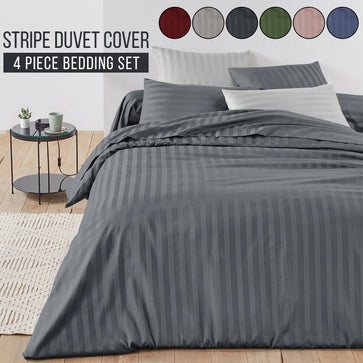
If you prefer the simplicity of a duvet-based bed, explore our duvet cover sets. For a complete coordinated setup, you can also browse our 4-piece bedding sets, which combine key bedding pieces in one set.

20% OFF
GET FLAT 20% OFF ON YOUR FIRST PURCHASE
How to Choose the Right Bedspread
1. Start With the Actual Dimensions
The size name is useful, but the centimetre measurements matter more. Compare the bedspread's actual width and length with your mattress measurements before buying.
2. Account for Mattress Depth
A thick mattress or topper uses more of the bedspread's width before the fabric begins to hang down the side. This is why two beds with the same mattress width can require different amounts of coverage.
If you have a deeper mattress, consider our mattress protectors and deep fitted sheets when building your bedding setup.
3. Decide How You Want the Bed to Look
For a modern bedroom, a shorter, cleaner drop may look better. For a traditional bedroom, you may prefer more generous coverage. A larger bedspread can also create a layered, hotel-inspired finish.
4. Think About How You Will Use It
If your bedspread is mostly decorative, weight and drape may matter more than warmth. If you want an additional layer during cooler weather, consider how comfortably it works over your duvet.
For colder months, you can also combine a bedspread with a suitable duvet tog. For more seasonal advice, read our guide to choosing the best bedspreads for winter and summer.
Bedspread Sizes for Different Bed Styles
Platform Beds
Low platform beds usually suit a shorter drop. A bedspread that finishes just below the mattress can maintain the bed's clean, contemporary shape.
Four-Poster Beds
Four-poster beds often suit fuller bedding. Measure around the mattress and frame carefully because the posts and structure can affect how the bedspread falls.
Daybeds
Don't assume every daybed uses standard single-bed dimensions. Measure the mattress itself and decide whether you want the bedspread to cover the front of the frame when you use the bed as seating.
Bunk Beds
A standard single-size mattress is common on UK bunk beds, but a very long side drop can be inconvenient. A shorter bedspread or neatly tucked cover may be more practical, particularly on the upper bunk.
Sofa Beds
Sofa-bed mattress dimensions can vary considerably. Open the bed fully and measure the sleeping surface before choosing a bedspread rather than relying on single or double terminology alone.
Complete Your Bedding Setup
Once you know your bedspread size, coordinating the layers underneath can help create a more finished bedroom. You can explore:
- Bedspreads for a decorative finishing layer.
- Duvet cover sets for everyday duvet protection and bedroom styling.
- Fitted sheets for standard, deep and extra-deep mattresses.
- Mattress protectors for an additional protective layer.
- Pillowcases for coordinating colours and finishes.
- All bedding if you are refreshing the whole bed.
Final Bedspread Size Checklist
Before buying your next bedspread, check these five things:
- Your actual mattress width and length.
- Your mattress depth, including any topper or protector.
- The exact bedspread dimensions in centimetres.
- How far you want the fabric to hang down each side.
- Whether you plan to use the bedspread alone or layer it over a duvet.
Getting these measurements right is more reliable than shopping by the bed-size name alone. Once you know the coverage you need, you can choose a bedspread that gives your bedroom the balance of comfort, practicality and style you want.
FAQs
What size bedspread do I need for a double bed?
A standard UK double mattress is approximately 135 x 190cm. Your bedspread needs to be wider than 135cm if you want it to hang down both sides. For example, a bedspread around 235cm wide would provide roughly 50cm of extra width on each side, before accounting for how the fabric sits over the mattress.
What size bedspread do I need for a king-size bed?
A standard UK king mattress measures approximately 150 x 200cm. Choose a bedspread that is substantially wider than 150cm if you want visible side coverage. Measure your mattress depth and preferred drop before deciding on the final width.
What size bedspread do I need for a super king bed?
A standard UK super king mattress measures approximately 180 x 200cm. Because of its width, a super king requires a particularly wide bedspread if you want the material to extend well down each side.
Should a bedspread touch the floor?
It does not have to. A short drop creates a cleaner, more contemporary look, while a longer drop creates a fuller, more traditional look. Measure from the top edge of your mattress to your preferred finishing point to determine the drop you need.
Can I use a king-size bedspread on a double bed?
Yes. Using a larger bedspread on a smaller bed can add side coverage and a fuller, layered look. Check the actual dimensions first, as an oversized bedspread may reach the floor or look too bulky on a low bed.
Are bedspread sizes the same as duvet sizes?
No. Duvet sizes are designed around the duvet and duvet cover, while bedspreads are often wider so that they can hang over the sides of the mattress. Always compare the actual centimetre measurements rather than assuming equivalent size names will have the same dimensions.
Can I put a bedspread over a duvet?
Yes. Layering a bedspread over a duvet is a practical way to add texture, colour and additional warmth. During warmer weather, you can fold the bedspread at the bottom of the bed or remove it completely.
Does mattress depth affect bedspread size?
Yes. A deeper mattress uses more fabric as the bedspread travels from the top surface down the side. If you have an extra-deep mattress or mattress topper, include this depth when deciding how much side coverage you need.
How should I clean a bedspread?
Always follow the care instructions on the individual product label. Washing and drying requirements can vary considerably depending on the fabric, filling, construction and decorative finish.
Are bedspreads suitable for year-round use?
They can be. Lighter bedspreads work well as decorative layers year-round, while quilted designs can add an extra layer in cooler months. Your room temperature, duvet tog and personal preference will determine how you layer your bedding.